
- How digital publishing systems are transforming modern authorship
- The rise of self-publishing ecosystems
- Why structure matters in publishing
- Templates as systems
- Connecting creativity with systems
- The role of digital tools
- Opportunities for creators and professionals
- The North American context
- Publishing for me
How digital publishing systems are transforming modern authorship
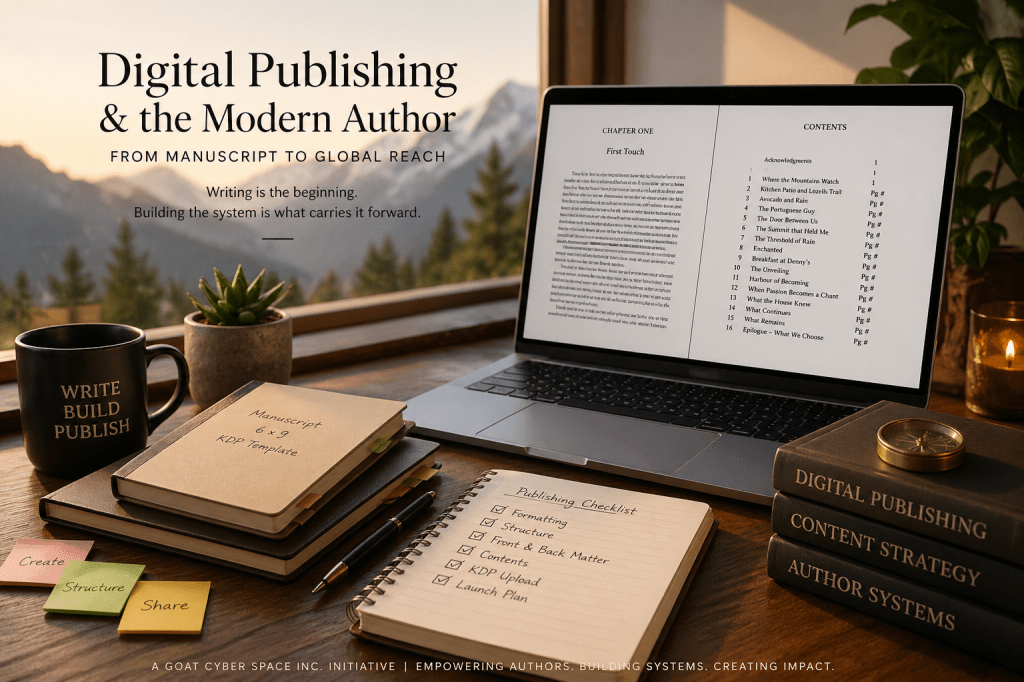
Writing has always been a deeply personal process.
But publishing has changed.
Today, authors are no longer dependent solely on traditional publishing houses to bring their work to life. With the rise of digital platforms, the journey from manuscript to reader has become more accessible, structured, and scalable.
This shift is not just creative—it is technological.
The rise of self-publishing ecosystems
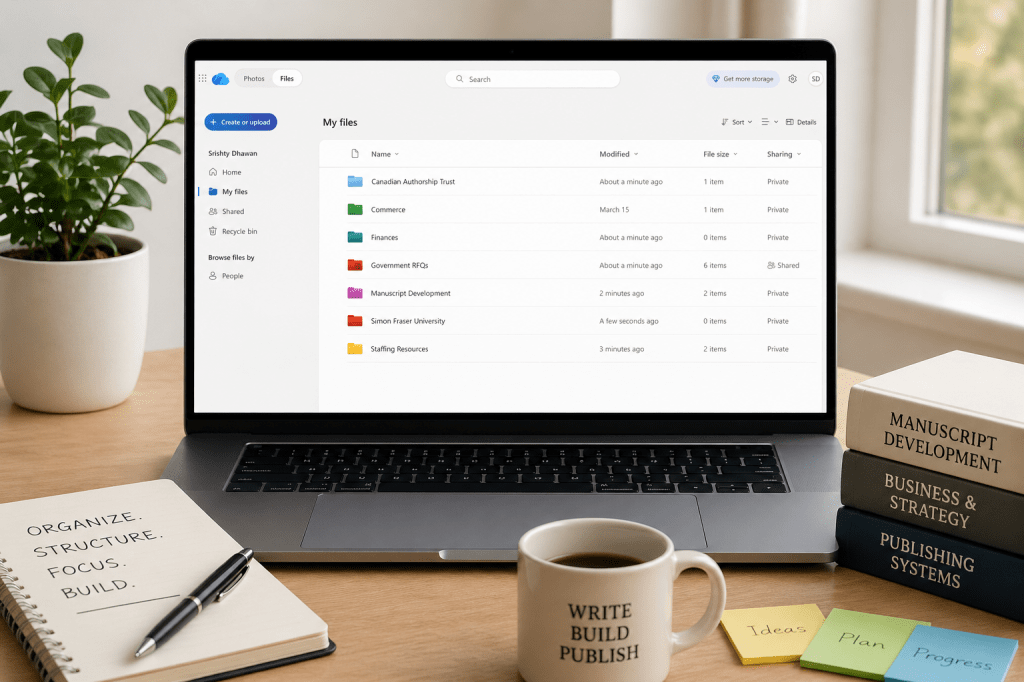
Modern publishing platforms have evolved into full-scale content systems.
Platforms like Amazon Kindle Direct Publishing (KDP) have quietly reshaped what it means to bring a manuscript into the world. What once felt distant and layered is now held within a single system—structured templates guiding the form, allowing the writing to settle into place with clarity and intention.
From there, the work moves outward. A manuscript can be published globally within hours, its presence no longer confined by geography. Pricing, distribution, and performance are no longer abstract ideas but visible, manageable elements—allowing the author to remain close to the work, even as it begins to travel beyond them.
What once required multiple intermediaries—editors, distributors, printers—can now be managed through a single digital interface.
Why structure matters in publishing
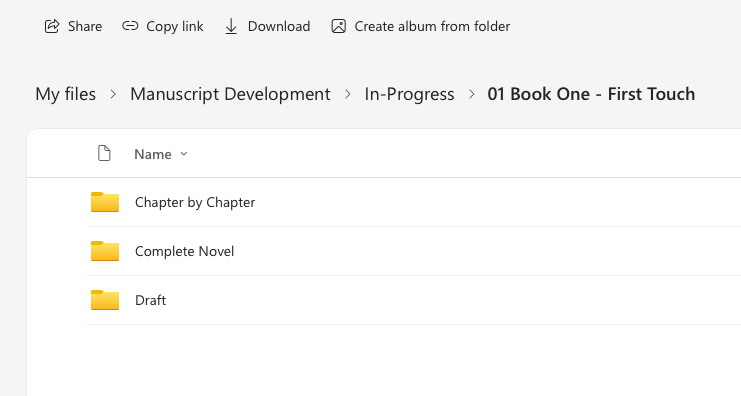
A manuscript is not just a story—it is a structured document.
Publishing platforms ask for more than just writing—they ask for structure. The manuscript must hold a certain consistency in its formatting, with clearly defined sections, intentional headings, and underlying metadata that supports how it is read and discovered across systems.
It also needs to move seamlessly across devices—whether on a Kindle, a phone, or a browser. This is where technical writing quietly enters the process. The work begins to consider not just what is written, but how it is experienced—through readability, ease of navigation, and the overall flow that allows a reader to stay with it.
Applying structured templates ensures that content is not only written—but delivered effectively.
Templates as systems
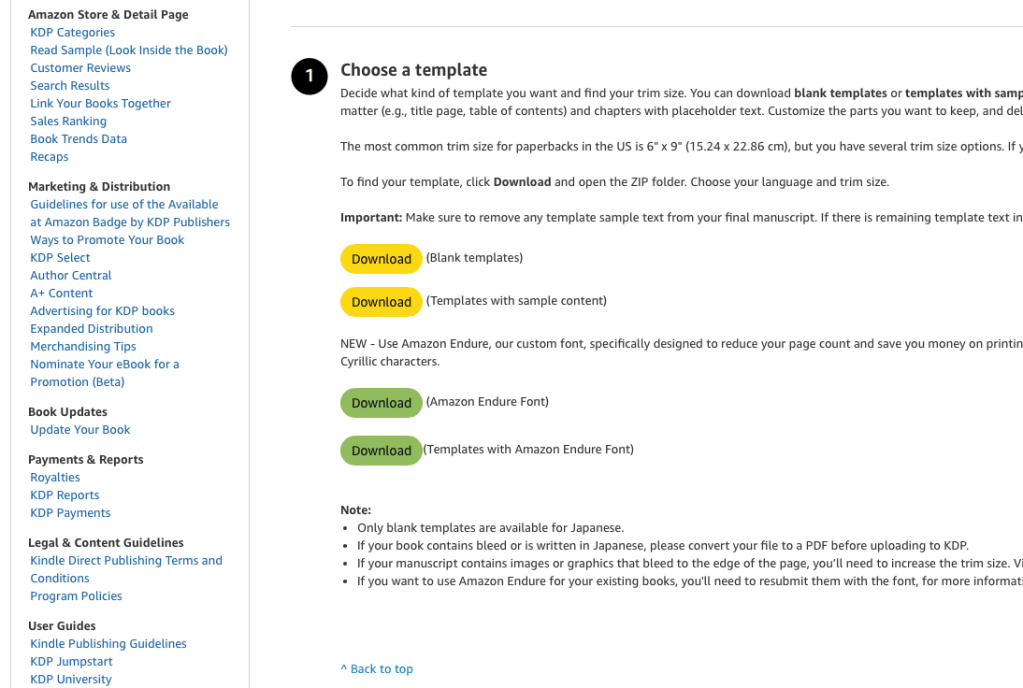
At this stage, I find myself working closely with the structure of the manuscript—using KDP’s standard templates and applying them directly to my own work in a 6 × 9 format. What once existed as a flowing document now begins to settle into defined pages, where layout, margins, and spacing quietly shape how the writing will be held.
Chapter organization becomes more intentional, and the front and back matter start to frame the story as a complete piece. Seeing the contents take form in this way shifts the experience—it is no longer just writing, but preparation for how the work will be read.
These templates act as a guiding framework. They allow me to stay with the content while ensuring that the manuscript aligns with publishing standards. In practice, they reduce small inconsistencies, bring a sense of order to the process, and make the transition from draft to publication feel steady and structured.
Connecting creativity with systems
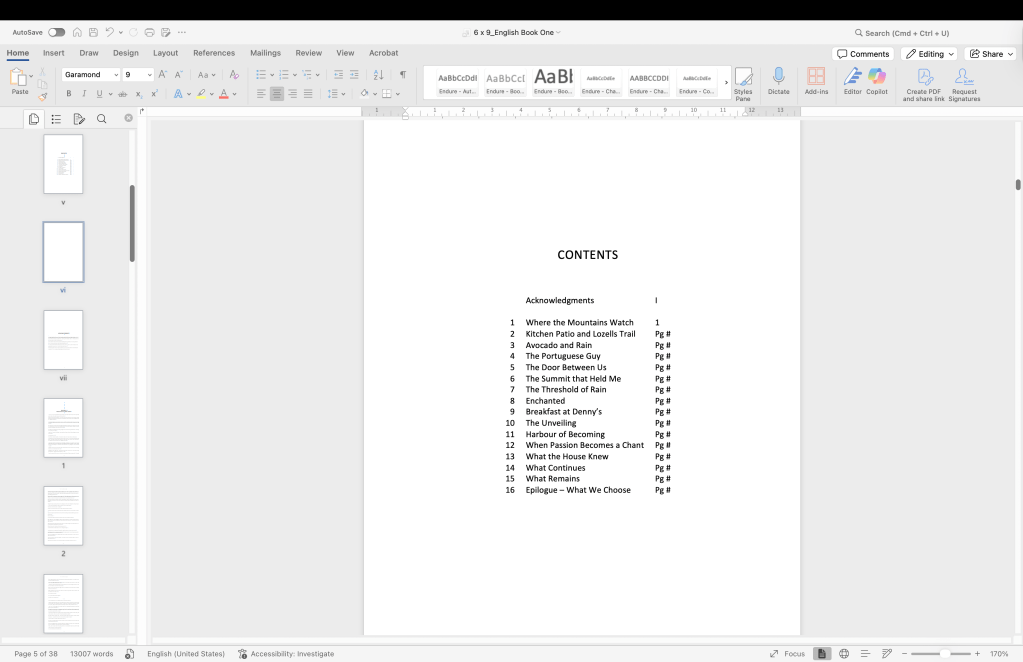
This stage of publishing represents a quiet shift for me.
What began as writing—intuitive, fluid, and deeply personal—now moves into something more structured. The work is no longer only about expression, but about how that expression is held, organized, and carried forward through a system that allows it to exist beyond the page.
In this process, I find myself stepping into multiple roles at once. I am still the writer, but also the editor shaping clarity, the publisher preparing the work for release, and the content manager thinking about structure, format, and flow. Each role asks for a different kind of attention, and together they begin to form a complete picture of what it means to bring a manuscript into the world.
There is a balance here—between staying close to the creative core of the work, and learning to move within the technical framework that supports it. Navigating both spaces is not always immediate, but it is necessary. It allows the writing to remain personal, while giving it the structure it needs to reach, hold, and stay with its reader.
The role of digital tools
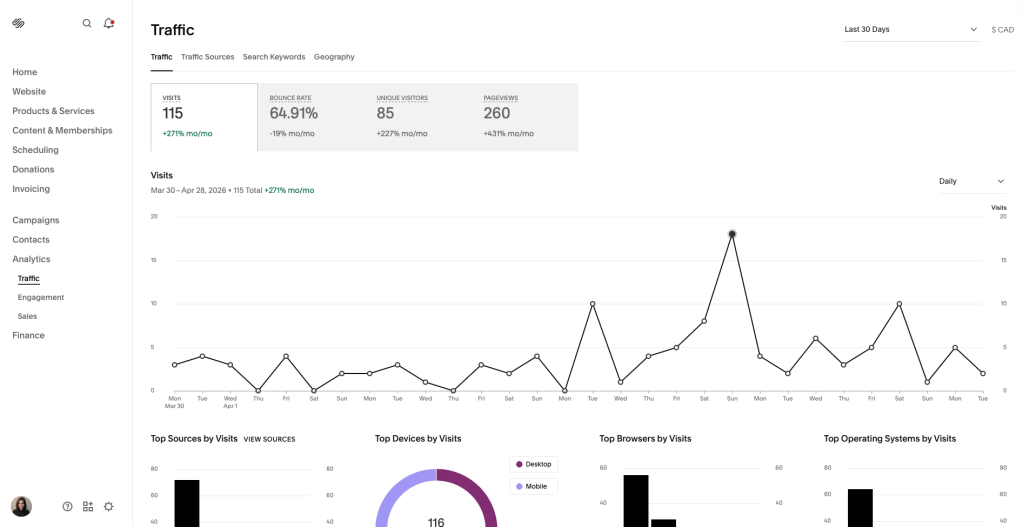
The role of digital tools becomes more visible as the work begins to expand beyond the manuscript itself.
In my own process, I’ve been relying on Microsoft 365—particularly OneDrive—to organize the entire structure of the novel. The work is no longer held in a single document, but divided into intentional spaces: chapters, drafts, and the complete manuscript, each placed where it can be revisited, refined, and built upon without losing clarity.
This way of working changes how the writing evolves. It allows me to move between sections without disruption, to return to earlier drafts when needed, and to keep the larger structure of the book in view at all times. The manuscript begins to feel less like a single file and more like a system—one that can grow, shift, and remain organized as it develops.
It becomes clear, at this stage, that digital publishing does not exist in isolation. It connects quietly with other tools—content management systems, cloud storage platforms, editing environments, and distribution channels. Together, they form a connected ecosystem that supports not just the writing, but the entire journey of bringing it into the world.
Opportunities for creators and professionals

This transformation begins to open space—not just for the work itself, but for the people who will help shape it.
As the systems around the writing become more defined, I find myself thinking not only as an author, but as someone building toward a structure that can support others. The intention is to gradually expand this work into a small, focused team—bringing together individuals who understand both content and systems.
The roles I am looking to build toward include:
- Lead Technical Writer & Content Strategist (1)
- Technical Writers / Content Specialists (3)
- Editor & Quality Reviewer (1)
- UX / Content Designer (1)
- Business Analyst (1)
- Documentation Specialist (1)
- Graphic Designers (2)
- Web Developers (2)
- Project Coordinator (1)
- Administrative Support (1)
To submit your interest, email support@goatcyberspace.com with your cover letter and resume.
The goal is to begin hiring toward this structure in the coming seasons, with timelines shaped by the growth of the business—particularly as we continue to pursue opportunities through public sector contracts and digital content work.
This is where the process extends beyond individual creation. It becomes a shared effort—one that supports not only authors and content professionals, but also contributes to building meaningful work opportunities for others entering the field.
The North American context
The North American context of this work feels increasingly close to home.
Over time, and through our business trips to cities like Toronto, California, and Vancouver, I’ve had the opportunity to connect with some of you personally—conversations that have quietly shaped this evolving narrative. These moments extend the work beyond the page, grounding it in real people, shared ideas, and a growing community.
The rise of digital publishing across North America reflects this shift. Independent creators are building direct relationships with their audiences, platforms are enabling global distribution, and technology continues to lower the barriers to entry for those willing to begin.
This feels especially present along the Pacific Northwest corridor, where creativity, innovation, and technology naturally intersect. It is within this environment that writing begins to move outward—supported by systems, shaped by connection, and carried forward through a wider network of people and ideas.
Publishing for me
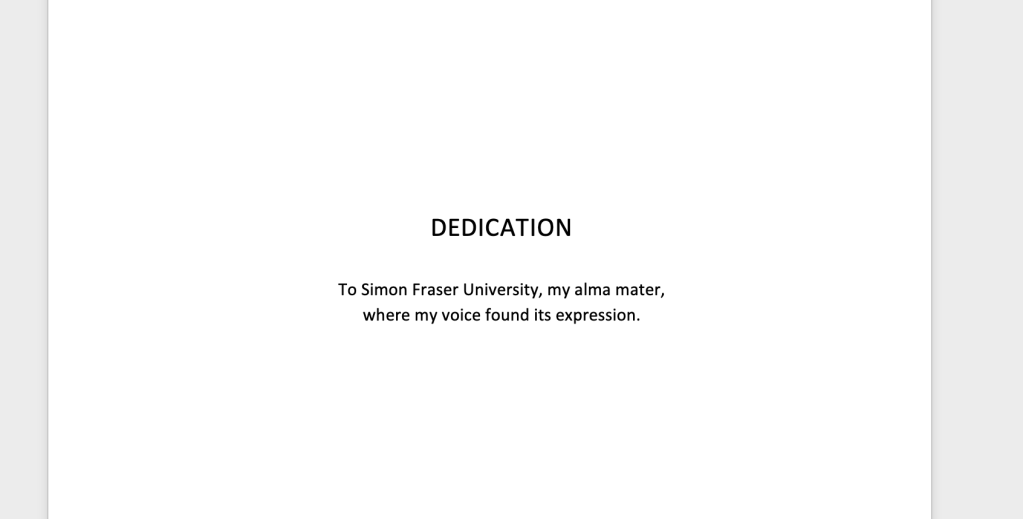
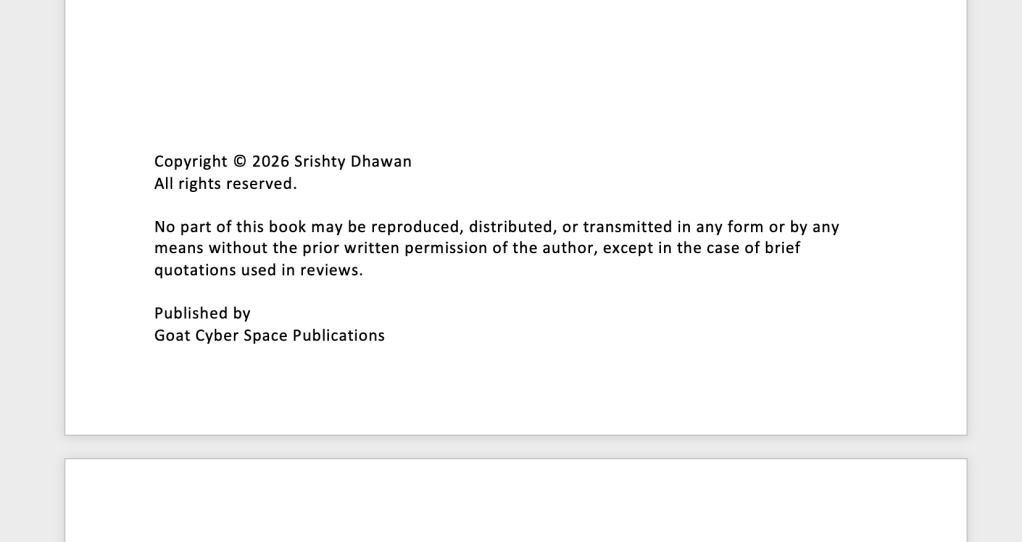
Publishing, for me, no longer feels like the final step after writing a book.
It has become part of the journey itself.
It asks for structure, for intention, and for a willingness to understand the systems that hold the work—how it is shaped, where it lives, and how it continues to grow beyond the moment it is written.
In this process, I am beginning to see the role of the author differently. Not only as a storyteller, but as someone who builds—quietly—around the work. Creating space for it to be read, revisited, and carried forward.
There is something grounding in learning both sides of this—creativity and structure. And perhaps, in this new landscape, the strongest voices will not be the loudest, but the ones that understand how to hold both with care.
- From Manuscript to Market
- The Architecture of Expression
- Growth Mindset
- Continuous Threat Exposure Management
- Augmented Connected Workforce
Visit our official business website: https://www.goatcyberspace.com/


- Monday
- 9:00 am – 5:00 pm
- Tuesday
- 9:00 am – 5:00 pm
- Wednesday
- 9:00 am – 5:00 pm
- Thursday
- 9:00 am – 5:00 pm
- Friday
- 9:00 am – 5:00 pm
- Saturday
- 9:00 am – 4:00 pm
- Sunday
- Closed
Also operating as GCS Publications
Mailing Address:
P.O. Box 71554
White Rock RPO Hillcrest
White Rock, BC, V4B 5J5
Canada
Business Number (BN): 700862600


Leave a Reply